Техніка «Мапування тіла» для дослідження емоцій при тривожності
Перекладіть наступний текст українською: Мапування тіла: терапевтична техніка для дослідження емоцій
Мапування тіла - це терапевтична техніка, яка використовує контур тіла людини в натуральну величину для дослідження та вираження емоцій, особливо в контексті тривоги. Цей метод, заснований на мистецтві, дозволяє особам візуально представляти свої почуття та досвід, сприяючи більшому самопізнанню та обробці емоцій.
Огляд мапування тіла
Визначення та процес
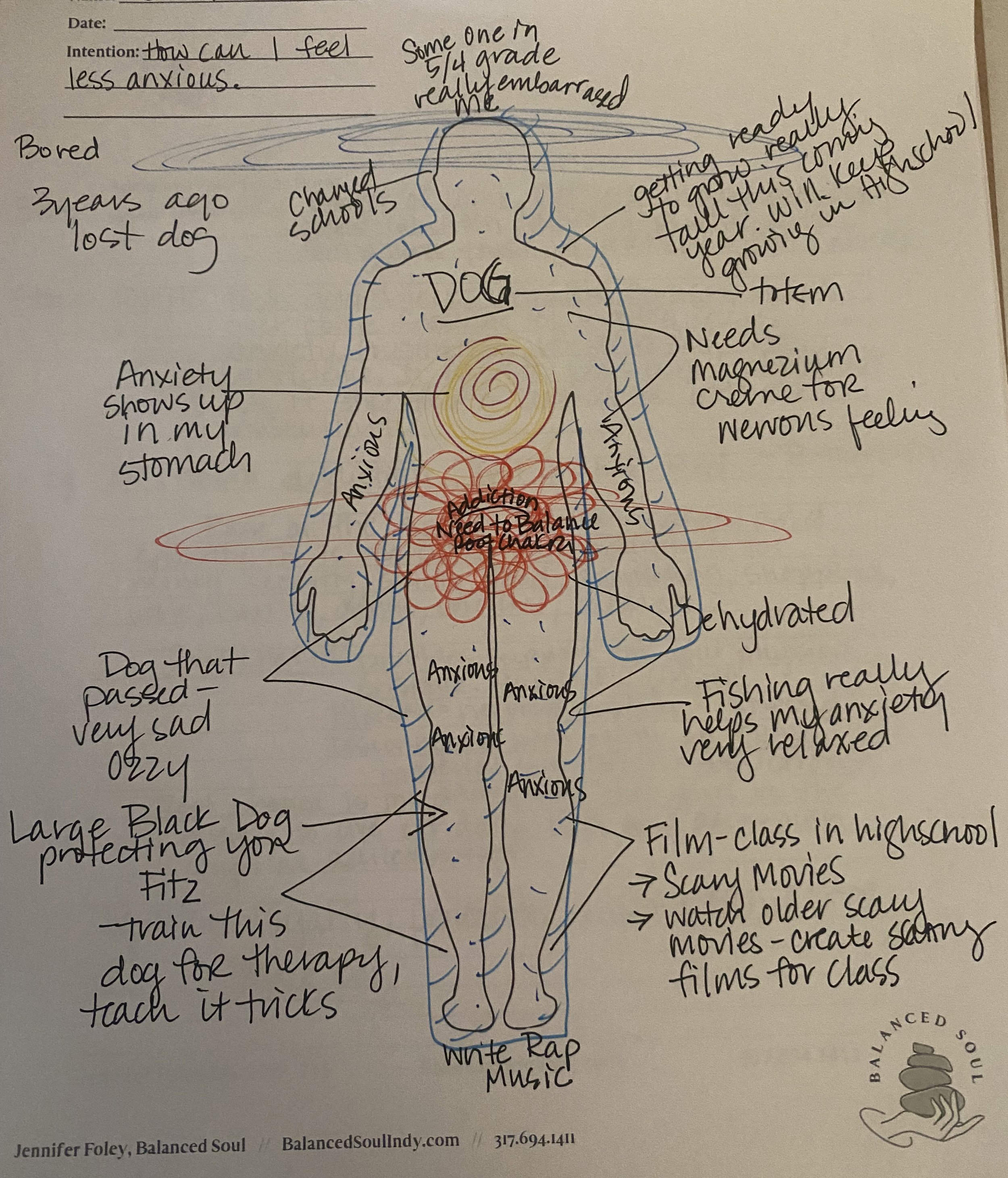
Мапування тіла включає в себе контур тіла людини, який потім заповнюється малюнками, кольорами, символами та словами, що відображають їх емоційний та фізичний досвід. Цей процес не тільки допомагає особам виразити свої почуття, але й надає відчутний спосіб візуалізації їх емоційних станів та відчуттів у тілі, асоційованих з тривогою.
Застосування в управлінні тривогою
-
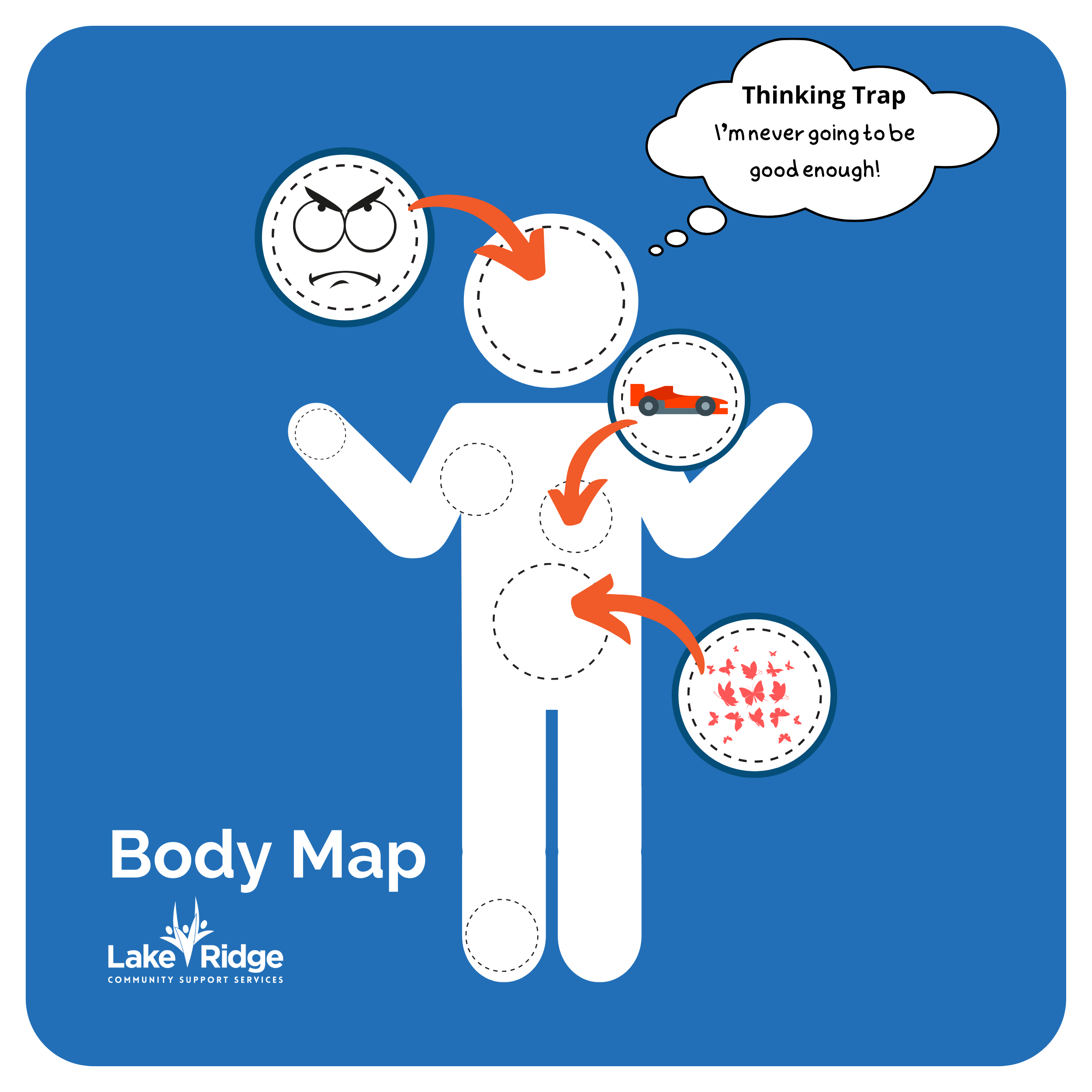
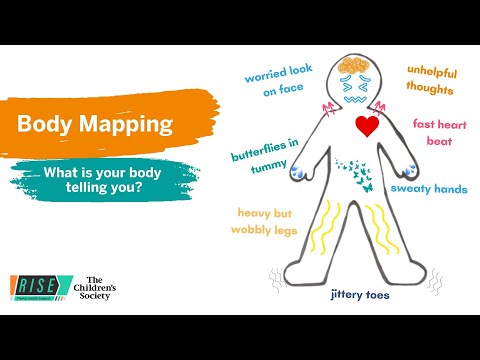
Самосвідомість: Мапування тіла заохочує осіб, особливо дітей та підлітків, визнавати, як тривога проявляється фізично. Наприклад, вони можуть ілюструвати відчуття, як-от прискорене серцебиття або метелики в шлунку, що може допомогти їм визначити тригери та розробити стратегії справляння.
-
Творчий вираз: Техніка сприяє творчому виразу, дозволяючи учасникам досліджувати складні емоції несловесним способом. Це може бути особливо корисним для тих, хто має проблеми з традиційними методами комунікації.
-
Терапевтичний контекст: Мапування тіла може бути інтегроване в терапевтичні практики, забезпечуючи безпечне середовище для вираження почуттів особами. Виявлено, що це підвищує самооцінку, покращує міжособистісну комунікацію та сприяє емоційному зціленню, дозволяючи учасникам стикатися та виражати пригнічені почуття.
-
Групова динаміка: Обмін мапами тіла в груповому середовищі може сприяти зв’язку та підтримці між учасниками, підвищуючи їх почуття приналежності та зменшуючи почуття ізоляції, яке часто асоціюється з тривогою.
Переваги
-
Покращення емоційного внутрішнього бачення: Учасники отримують уявлення про свої емоційні ландшафти, що може призвести до покращення психічного здоров’я.
-
Посилення: Візуально представляючи свої почуття, особи можуть повернути контроль над своїми емоційними досвідами, перетворюючи тривогу з паралізуючої сили на керовану частину їхнього життя.
-
Сприяння діалогу: Мапування тіла може служити відправною точкою для обговорення почуттів та досвіду, полегшуючи особам комунікацію їхніх потреб та пошук підтримки.
Підсумовуючи, мапування тіла - це універсальна та ефективна техніка для роботи з тривогою, сприяння самосвідомості та сприяння емоційному виразу за допомогою творчих та учасницьких методів.
Картинки
Джерела
- Body mapping: an arts-based therapy - Black Dog Institute - blackdoginstitute.org
- Body Mapping: Measuring Well During the Swell - communitypsychology
- The power (and caveats) of body mapping as a visual methodology … - emerald
- 1. Body mapping: an arts-based therapy - Black Dog Institute - blackdoginstitute.org
- 2. Body Mapping: Measuring Well During the Swell - communitypsychology
- 3. The power (and caveats) of body mapping as a visual methodology … - emerald
- 4. Review Body mapping for arts-based inquiry in mental health research - sciencedirect
- 5. What is a “Body Map” and how can it help kids with autism cope with … - lrcss
- 6. View of You Want Me to Draw What? Body Mapping in Qualitative … - qualitative-research
- 7. ‘Body mapping’, a technique used to identify and position important … - researchgate
- 8. Body Mapping in Research | SpringerLink - link.springer
English version
Body Mapping: A Therapeutic Technique for Exploring Emotions
Body mapping is a therapeutic technique that utilizes a life-sized outline of a person’s body to explore and express emotions, particularly in relation to anxiety. This arts-based method allows individuals to visually represent their feelings and experiences, fostering greater self-awareness and emotional processing.
Overview of Body Mapping
Definition and Process
Body mapping involves tracing the outline of a person’s body and then filling it with drawings, colors, symbols, and words that reflect their emotional and physical experiences. This process not only helps individuals articulate their feelings but also provides a tangible way to visualize their emotional states and bodily sensations associated with anxiety.
Applications in Anxiety Management
-
Self-Awareness: Body mapping encourages individuals, especially children and adolescents, to recognize how anxiety manifests physically. For instance, they might illustrate sensations like a racing heart or butterflies in the stomach, which can help them identify triggers and develop coping strategies.
-
Creative Expression: The technique promotes creative expression, allowing participants to explore complex emotions in a non-verbal manner. This can be particularly beneficial for those who struggle with traditional communication methods.
-
Therapeutic Context: Body mapping can be integrated into therapeutic practices, providing a safe space for individuals to express their feelings. It has been shown to enhance self-esteem, improve interpersonal communication, and facilitate emotional healing by allowing participants to confront and articulate repressed feelings.
-
Group Dynamics: Sharing body maps in a group setting can foster connection and support among participants, enhancing their sense of belonging and reducing feelings of isolation often associated with anxiety.
Benefits
-
Enhanced Emotional Insight: Participants gain insights into their emotional landscapes, which can lead to improved mental health outcomes.
-
Empowerment: By visually representing their feelings, individuals can reclaim agency over their emotional experiences, transforming anxiety from a debilitating force into a manageable aspect of their lives.
-
Facilitation of Dialogue: Body mapping can serve as a springboard for discussions about feelings and experiences, making it easier for individuals to communicate their needs and seek support.
In summary, body mapping is a versatile and effective technique for addressing anxiety, promoting self-awareness, and facilitating emotional expression through creative and participatory methods.