Техніка Емоційної Свободи (EFT): Методика та Ефективність
Техніки емоційної свободи (EFT), які часто називають “тапінгом”, - це терапевтичний метод, розроблений для допомоги людям керувати емоціями та знижувати стрес. EFT були розроблені у 1990-х роках Гарі Крейгом і поєднують елементи терапії впливу, когнітивно-поведінкової терапії та акупресури, зосереджуючись на конкретних точках тіла під час розгляду емоційних проблем.
ОГЛЯД EFT
EFT працює на принципі, що тапінг на певних точках акупресури може звільнити “блокування енергії”, пов’язані з негативними емоціями. Техніка включає наступні кроки:
-
Ідентифікувати проблему: Зосередьтеся на конкретній емоційній проблемі або турбуючій думці.
-
Оцінити рівень стресу: Використовуйте шкалу суб’єктивних одиниць стресу (SUDS) від 0 до 10 для вимірювання інтенсивності проблеми.
-
Створити вступне твердження: Сформулюйте фразу, яка визнає проблему і включає твердження про самоприйняття (наприклад, “Незважаючи на те, що я відчуваю тривогу через роботу завтра, я глибоко і повністю приймаю себе”).
-
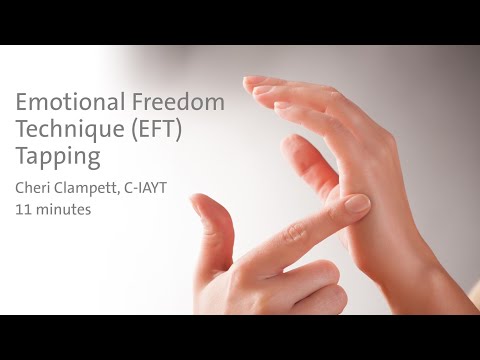
Почати тапінг: Торкайтеся краю долоні, повторюючи вступне твердження тричі.
-
Тапінг на точках акупресури: Продовжуйте тапінг на різних точках тіла (наприклад, верх голови, брови, під очима, ключиця), повторюючи нагадувальну фразу, пов’язану з проблемою.
-
Переоцінити рівень стресу: Після завершення послідовності тапінгу переоцініть рівень стресу і повторіть процес, якщо це необхідно, доки не буде досягнуто нижчого балу.
ДОСЛІДЖЕННЯ ТА ЕФЕКТИВНІСТЬ
EFT стали предметом понад 100 досліджень, які демонструють потенційні переваги для різних психологічних та фізичних станів, включаючи тривогу, депресію, ПТСР та управління стресом. Дослідження вказують на значне зниження тривоги (до 40%) та депресії (до 35%) після сеансів EFT, а також на поліпшення фізичних симптомів, таких як біль та потяг до їжі.
Однак наукова спільнота залишається розділеною щодо ефективності EFT. Критики стверджують, що техніка не має солідної емпіричної основи і часто класифікується як псевдонаука, наголошуючи, що будь-які спостережувані переваги можуть випливати з ефекту плацебо або встановлених психологічних практик, а не від самого тапінгу.
ВИСНОВОК
Хоча багато людей повідомляють про позитивні результати від використання EFT для регулювання емоцій та зняття стресу, важливо підходити до техніки з критичним ставленням і розглядати її як доповнюючий інструмент, а не як заміну професійного лікування психічного здоров’я.
Картинки

Джерела
- Emotional Freedom Technique (EFT) - HealthLink BC - healthlinkbc
- Emotional Freedom Technique: Research supports benefits of … - purdue
- Clinical EFT (Emotional Freedom Techniques) Improves Multiple … - ncbi.nlm.nih
- 1. Emotional Freedom Technique (EFT) - HealthLink BC - healthlinkbc
- 2. Emotional Freedom Technique: Research supports benefits of … - purdue
- 3. Clinical EFT (Emotional Freedom Techniques) Improves Multiple … - ncbi.nlm.nih
- 4. Emotional Freedom Techniques - en.wikipedia
- 6. What Is EFT Tapping? 5-Step Technique for Anxiety Relief - Healthline - healthline
- 7. [PDF] Emotional Freedom Technique (Acupunctura Psicológica) - recursos.ordemdospsicologos
- 8. Emotional Freedom Technique (EFT) - Kaiser Permanente - healthy.kaiserpermanente
English version
Emotional Freedom Techniques (EFT), commonly known as “tapping,” is a therapeutic method designed to help individuals manage emotions and reduce stress. Developed in the 1990s by Gary Craig, EFT combines elements of exposure therapy, cognitive behavioral therapy, and acupressure, focusing on specific points on the body while addressing emotional issues.
OVERVIEW OF EFT
EFT operates on the premise that tapping on designated acupressure points can release “energy blockages” associated with negative emotions. The technique involves the following steps:
-
Identify the Issue: Focus on a specific emotional concern or troubling thought.
-
Rate the Distress: Use a Subjective Units of Distress Scale (SUDS) from 0 to 10 to measure the intensity of the issue.
-
Create a Setup Statement: Formulate a phrase that acknowledges the issue and includes a statement of self-acceptance (e.g., “Even though I feel anxious about work tomorrow, I deeply and completely accept myself”).
-
Begin Tapping: Tap on the edge of the palm while repeating the setup statement three times.
-
Tap on Acupressure Points: Continue tapping on various points on the body (e.g., top of the head, eyebrows, under the eyes, collarbone) while repeating a reminder phrase related to the issue.
-
Reassess the Distress: After completing the tapping sequence, re-evaluate the distress level and repeat the process if necessary until a lower score is achieved.
RESEARCH AND EFFICACY
EFT has been the subject of over 100 studies, demonstrating its potential benefits for various psychological and physical conditions, including anxiety, depression, PTSD, and stress management. Research indicates significant reductions in anxiety (up to 40%) and depression (up to 35%) following EFT sessions, along with improvements in physical symptoms such as pain and cravings.
However, the scientific community remains divided on EFT’s efficacy. Critics argue that the technique lacks a solid empirical foundation and is often categorized as pseudoscience, emphasizing that any observed benefits may stem from placebo effects or established psychological practices rather than the tapping itself.
CONCLUSION
While many individuals report positive outcomes from using EFT for emotional regulation and stress relief, it is essential to approach the technique with a critical mindset and consider it as a complementary tool rather than a replacement for professional mental health treatment.